Health 101: Tips for Making Self-Care a Habit, Not an Emergency
In this blog, we will share practical tips for making self-care a steady habit, not a last-minute emergency.
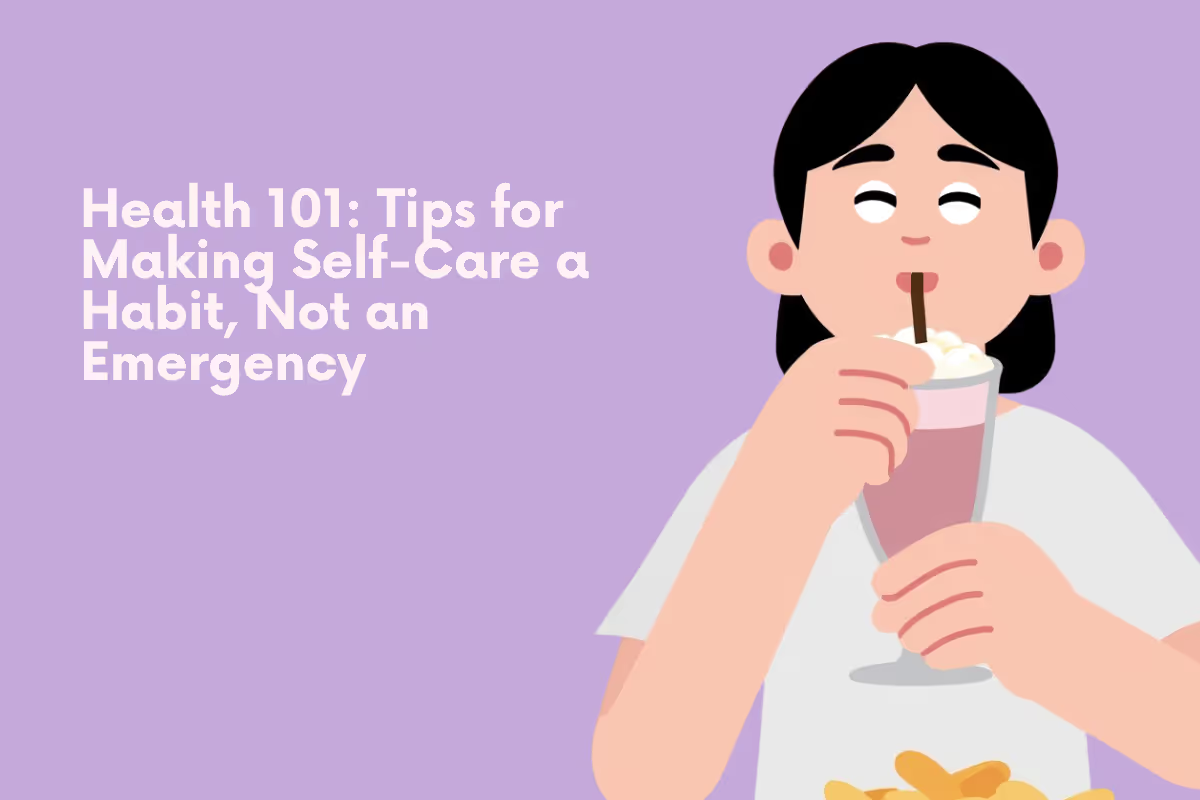
Ever skip lunch because everything else felt more urgent? Headaches get ignored, sleep gets delayed, and eventually the body demands attention. Life moves fast with constant alerts and growing to-do lists. Then exhaustion or anxiety forces a stop. Waiting for that crash makes self-care feel like an emergency instead of a routine. In Long Island City, the rapidly growing Queens neighborhood known for waterfront parks and a vibrant arts scene, wellness spots now offer quick resets for busy schedules.
In this blog, we will share practical tips for making self-care a steady habit, not a last-minute emergency.
Redefining What Self-Care Looks Like
Many people picture self-care as expensive or time-consuming. They imagine a week-long retreat or a hundred-dollar bottle of serum. Real self-care is much simpler. It is also much less glamorous. It is going to bed at the same time every night. It is drinking water instead of a third soda. It is saying no to an invitation when social energy is low. These choices feel boring. They lack the drama of a crisis. Yet they build the foundation for lasting health. Sometimes, self-care does involve a treat.
A relaxing afternoon can work wonders for a frazzled mind. For those living in bustling neighborhoods like Long Island City, finding quick ways to decompress is key. Small, built-in rituals that fit between subway stops and work calls often make the difference between steady balance and constant overwhelm. As a result, appointments for professional facials in Long Island City have become a modern reset button. These services cater to the modern schedule. They offer real results without hijacking an entire afternoon. The point is intention. Whether it is a facial or a flossing routine, the habit matters more than the price tag.
Small Wins Compound Over Time
Health is not built in one heroic gesture. It is built in tiny, daily decisions. Think of it like compound interest for the body. A five-minute morning stretch adds flexibility over months. Choosing a piece of fruit over a candy bar adds years.
A ten-minute walk after dinner clears the head and strengthens the heart. These moments seem insignificant alone. Together, they create resilience. They build a buffer against stress. People who practice daily self-care handle emergencies better. They have reserves to draw from. They do not crumble at the first sign of trouble. So the goal is not perfection. The goal is consistency. One good night of sleep will not fix a month of deprivation. But a month of good sleep will transform everything. Small actions repeated daily quietly reshape the future. Steady care today prevents desperate fixes tomorrow.
The Mental Load and the Need to Disconnect
Many people carry the mental load for entire families. They remember the appointments. They track the school projects. They worry about the aging parents. This invisible labor is exhausting. It leaves little room for personal needs. The brain never truly shuts off. Notifications blur the line between work and home. The news cycle feeds anxiety. True self-care requires setting boundaries with technology. It means turning off push alerts. It means leaving the phone in another room at night. It means giving the mind permission to rest. This is hard.
The devices are designed to be addictive. But reclaiming that headspace is essential. Quiet moments allow the brain to reset. Creativity returns. Patience increases. Real connections with loved ones improve. This digital separation is a powerful health decision. Protecting attention may be one of the most underrated forms of modern medicine.
Listening to the Body's Signals
The body sends warnings long before a crisis. A tight jaw means stress. Low energy means poor sleep or nutrition. Frequent colds mean a weakened immune system. These are not mysteries. They are messages. Ignoring them is like throwing away letters from the bank and then acting surprised at the overdraft fee. Self-care is simply learning to read the mail. It is responding before the account empties. A headache might mean needing water, not just ibuprofen. Irritability might mean needing a break, not a stronger coffee.
Tuning in to these cues is a form of respect. It treats the body as an ally, not a machine. This shift changes everything. Health stops being a list of rules. It becomes a conversation with the self. Listening early prevents louder alarms later. Small adjustments made quickly, such as maintaining a balanced diet or taking a folic acid supplement when recommended by a healthcare professional, can often stop bigger problems from forming. Paying attention turns everyday awareness into long-term protection.
Building Habits That Stick
Starting a self-care routine feels overwhelming. The key is to start absurdly small. Commit to one minute of deep breathing. Drink one extra glass of water today. Go to bed ten minutes earlier. These tiny goals are easy to achieve. Success builds momentum. It feels good to keep a promise to oneself. From there, habits grow. The one minute of breathing becomes five. The extra water becomes a daily gallon. The early bedtime becomes a non-negotiable rule. It is also helpful to tie new habits to old ones. Do a quick stretch right after brushing teeth. Meditate for sixty seconds while coffee brews. These pairings anchor the new behavior to an existing routine. Over time, the habit becomes automatic. It no longer requires willpower. It is just part of the day.
The bottom line? Self-care is not selfish. It is not a luxury. It is the foundation of a healthy life. It prevents burnout. It lowers stress. It builds mental and physical strength. The world will always demand more. There will always be another email and another crisis. But setting boundaries protects what matters. Starting small works. Drink the water. Take the walk. Say the no. Ask for help. Book the appointment that resets the spirit. These actions signal worth. They declare that personal health matters. So tonight, put the phone away. Go to bed early. Tomorrow, make one choice that serves the self. The body and mind will thank you. The best health decision is simply choosing yourself before an emergency forces the choice for you.