The Overlooked Details That Can Shape a Workers’ Compensation Claim in Mobile, AL
Small details, such as the words used to describe an injury, a coworker’s account, or a change in symptoms, can raise questions when a workers’ compensation claim in Mobile, AL, is reviewed.
A workplace injury claim in Mobile, AL, is built on more than a doctor's report or a form signed at work. Small details, such as the words used to describe an injury, a coworker’s account, or a change in medical symptoms, can raise questions during the review. For injured employees, keeping these details clear can make it easier to explain what happened and respond to requests for information.
Mobile workers’ compensation lawyers may help workers understand the claims process when questions arise. From the first injury report to return to work, the details deserve attention.
The First Injury Report Must Tell a Clear Story
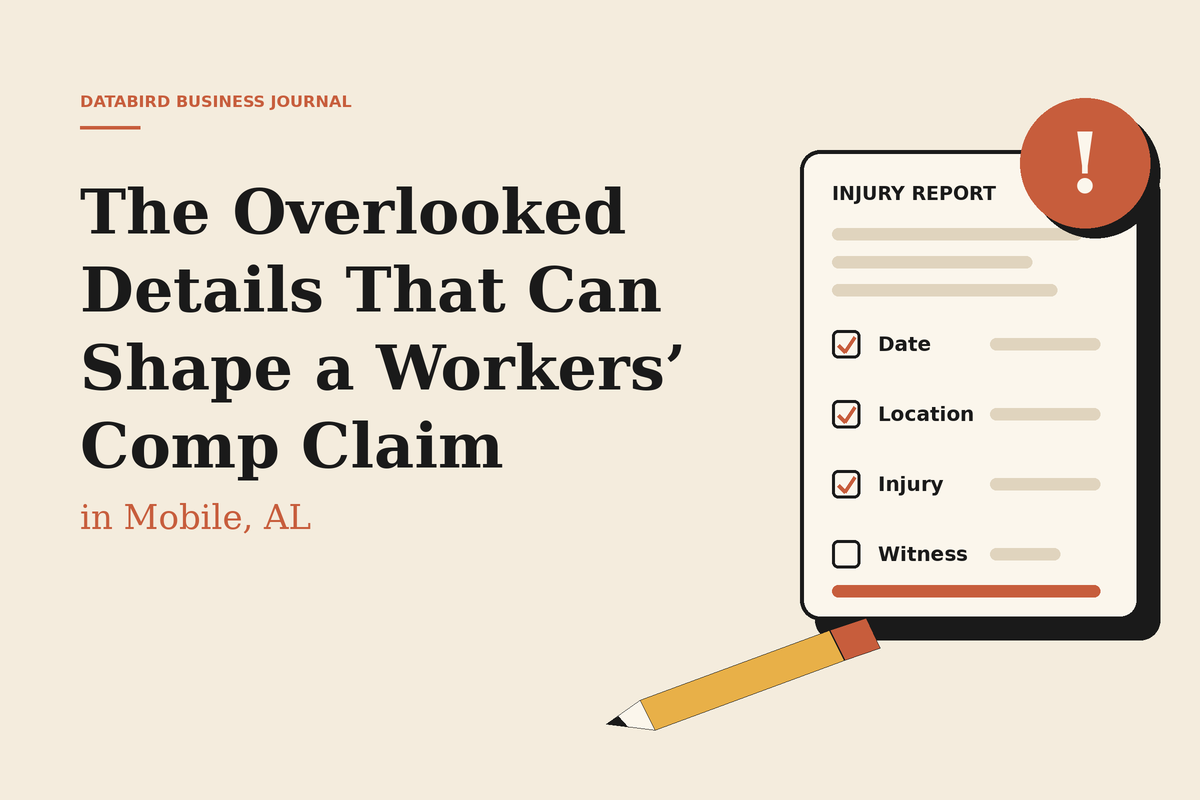
In Mobile, AL, the first report of a workplace injury can provide an important record of what happened. It usually includes details such as the date, location, type of injury, and events connected to it. If these facts are missing or unclear, an employer or insurer may ask more questions before reviewing the claim.
A report does not need dramatic language to explain an injury. It needs accurate information. For example, a worker who slips near a machine should describe the location and what they remember about the fall. If the report contains an error, it is better to raise the issue than to let incorrect information remain unchallenged. Clear records help others understand the reported events.
Changes in Symptoms Can Matter
An injury may not feel the same every day. A worker in Mobile might first notice pain in one area, then develop swelling, weakness, or other symptoms later. Sharing these changes with a healthcare provider helps keep medical records up to date and gives the provider a clearer picture of the condition.
Medical notes may also help explain the treatment needed and any limits on work duties. Employees should describe their symptoms honestly rather than downplaying pain or claiming problems they do not have. If a doctor recommends follow-up care, attending appointments can help track the condition. The medical record should reflect the worker’s actual experience, not assumptions about how quickly recovery should happen.
Witness Accounts and Workplace Conditions
A coworker may have seen something that the injured employee did not notice. In Mobile workplaces, details about a slippery floor, damaged equipment, poor lighting, or a missing safety guard may help explain the conditions surrounding an injury. These facts may become important if the people involved remember the event differently.
Witness accounts, safety reports, and workplace records can provide useful information during a claim review. Employees should avoid guessing about what another person saw or heard. Instead, they should focus on the facts they know and share relevant information honestly. Not every workplace problem proves that a claim is covered, but clear details can help explain the circumstances of the injury.
How Job Duties Connect to the Injury
The work an employee was doing before an injury may be another detail worth examining. For example, a warehouse worker in Mobile, AL, might hurt their back while lifting a heavy item, while an office employee might develop wrist pain after repeated tasks. The nature of the work and the reported injury may lead to questions about how the condition developed.
Job descriptions, work schedules, supervisor reports, and details about the task may help explain the connection. Some injuries happen during a single event, while others develop over time. These cases may need different types of information, including medical records and details about regular work duties. An injury that happens at the workplace is not automatically covered, so the facts and applicable Alabama rules matter.
Missed Deadlines and Delayed Responses
Paperwork is easy to overlook, especially when an employee is dealing with treatment and time away from work. However, late reports or unanswered requests may slow the review of a claim. Workers in Mobile should keep copies of forms, letters, emails, and other messages related to the injury.
Alabama has rules about reporting workplace injuries and filing workers’ compensation claims. The deadlines that apply can depend on the circumstances, so employees should not assume they have unlimited time. If an employer or insurer requests more information, keeping track of the request and its due date can prevent avoidable delays. Anyone unsure about a deadline should check the applicable rules or seek qualified professional guidance.
Return to Work Can Raise New Questions
Returning to work does not always mean an employee can immediately resume every regular duty. A doctor may recommend lighter tasks, shorter hours, or limits on lifting while the worker recovers. In Mobile, these restrictions may affect how the employer arranges duties and how certain benefit decisions are reviewed.
Updated medical notes can help explain what work an employee can safely perform. Records of hours worked, changes in duties, and ongoing restrictions may also help prevent confusion. Employees should make sure that information about their work limits is recorded accurately and that questions about changes in duties are addressed clearly. The effect on a claim depends on the facts and the rules that apply.
Small Details Can Make a Difference
In Mobile, AL, a workplace injury claim involves more than proving that an injury occurred. Reports, medical updates, witness accounts, job duties, and deadlines can all affect how the facts are reviewed. Employees should keep their records accurate and pay attention to requests for information. Mobile workers’ compensation lawyers may explain the process and help workers understand their options if questions or disputes arise. Careful records cannot prevent every delay, but they can make the details easier to explain and review.