The Business Potential of THCA Concentrates in the Growing Cannabis Industry
THCA concentrates come in formats from diamonds to rosin, giving producers more ways to meet demand. Testing, extraction methods and changing federal and state rules will shape how far the category can grow.

THCA concentrates are products made by concentrating compounds from cannabis or hemp plant material. They are available in formats such as diamonds, live resin, badder, crumble, rosin, hash, and kief. These formats give producers more ways to develop products with different textures, cannabinoid content, and terpene characteristics.
Those differences could give THCA concentrates a role in future cannabis industry growth. Businesses may use new product formats, extraction methods, and quality-control systems to respond to consumer preferences. The category's long-term impact will depend on product variety, testing practices, manufacturing standards, and changing federal and state rules.
The sections below examine the factors that could influence the future of THCA concentrates and their potential role in the wider cannabis industry.
1. Product Variety May Expand Consumer Demand

THCA concentrates provide manufacturers with additional options to cater to various consumer preferences. Diamonds provide a crystalline structure, and live resin is characterized by terpene-richness. Badder has a soft texture, and crumble has a drier consistency. Rosin, hash, and kief offer an extra format that the manufacturer can use to expand their range of concentrates.
This diversity can assist businesses in creating products that appeal to various market segments. Certain customers might be more focused on potency, whereas others might prefer flavor, texture, terpenes, or package size. Smaller packages also provide retailers with an alternative way of serving customers with different purchasing preferences.
A greater variety of concentrate formats might motivate businesses to diversify their product lines and experiment with positioning. In a competitive market, producers can also differentiate products based on variations in texture, cannabinoid, and terpene properties.
Other indicators of market interest may include the use of search terms like buy THCA concentrates as consumers search online for various forms of concentrates. By comparing the search patterns with sales and customer statistics, businesses can better determine which products and formats are of interest.
2. Extraction Technology May Improve Product Development
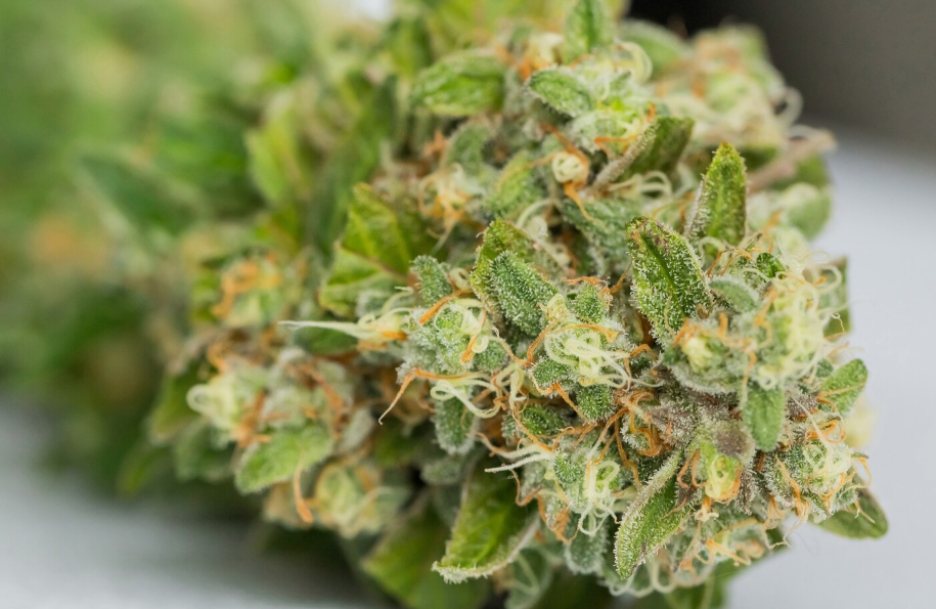
The extraction technology has the potential to feature significantly in the future development of the concentrate. Separating compounds and plant material allows producers to make concentrated products in various forms as they pursue increased control over their cannabinoid and terpene profiles.
A 2025 review of cannabinoid extraction methods found that newer extraction approaches may offer advantages such as greater selectivity and efficiency. Selecting the right method for each material and production goal can help concentrate producers achieve more precise processing, improved batch consistency, and greater flexibility in product development.
Increased process control can also assist businesses in differentiating their products in a competitive market. By adjusting to the shifting tastes of consumers, manufacturers might create concentrates that are based on particular textures, amount of cannabinoid, or terpene properties.
Firms that invest in stable extraction and production systems might consequently enjoy more chances to expand their lines of concentrates as the category evolves.
3. Better Testing May Support Market Growth

Quality testing could become more important as concentrate products become more varied. Businesses need dependable methods to verify potency, support accurate labels, identify contaminants, and maintain consistent quality across batches.
A 2025 study of THC potency in cannabis concentrates highlighted the value of comparing labeled and measured THC levels in concentrate products, emphasizing the role of reliable potency testing and independent verification. For concentrate businesses, accurate testing can help support product quality, strengthen labeling practices, and build consumer confidence.
Testing can also measure multiple cannabinoids, including THC, THCA, delta-8 THC, and CBD. A 2024 validation study of cannabinoid testing methods examined a GC/MS method for measuring these compounds across several cannabis product types. More detailed testing can give businesses better information for quality control, product labeling, and compliance.
Stronger testing practices may also support wholesale relationships by giving retailers and distributors greater confidence when evaluating concentrate products. As the concentrate market develops, reliable testing could therefore become part of how businesses build trust and compete.
4. Regulation May Shape Concentrate Market Growth

Regulation may strongly influence where THCA concentrates can go next. Federal hemp rules are changing, giving businesses opportunities to align their products and operations with updated requirements.
Under federal law, an amended hemp definition is scheduled to take effect on November 12, 2026. The amended definition uses a total THC standard that includes THCA and also creates new limits and exclusions for certain hemp-derived cannabinoid products.
That change could affect manufacturers, retailers, and wholesalers by changing how certain products are classified and marketed. State laws may also influence market access because individual states can set their own requirements for hemp and cannabis products.
Businesses can review their product portfolios, packaging, inventory, distribution plans, and sales channels as federal and state requirements develop. They may also have opportunities to refine product formulas and adjust their market strategies in response to changing rules.
Regulatory clarity could support long-term market growth by giving businesses clearer standards and encouraging more consistent product development. Clear requirements may also help companies identify opportunities across different markets as the THCA concentrate category develops.
Bottom Line
THCA concentrates could become an important part of cannabis industry growth as businesses respond to changing demand, production capabilities, and market conditions. Their potential extends into product development, production efficiency, quality control, and market expansion. Advances in extraction and quality control may create new opportunities, while regulatory changes could shape which products reach different markets.
For businesses, long-term success may depend on how well they balance innovation with consistency, transparency, and adaptability. As the category develops, companies that understand market shifts and adapt to changing industry requirements may be better positioned to identify and capture new opportunities.