Struggling To Scale Your Generator Business? Strategic Partnerships Provide Operational Growth Support
Generator companies rarely stall from weak demand. Growth breaks down once service calls outpace available technicians, parts arrive late, and office staff fall behind. Strategic partnerships can supply capital, labor, and systems.
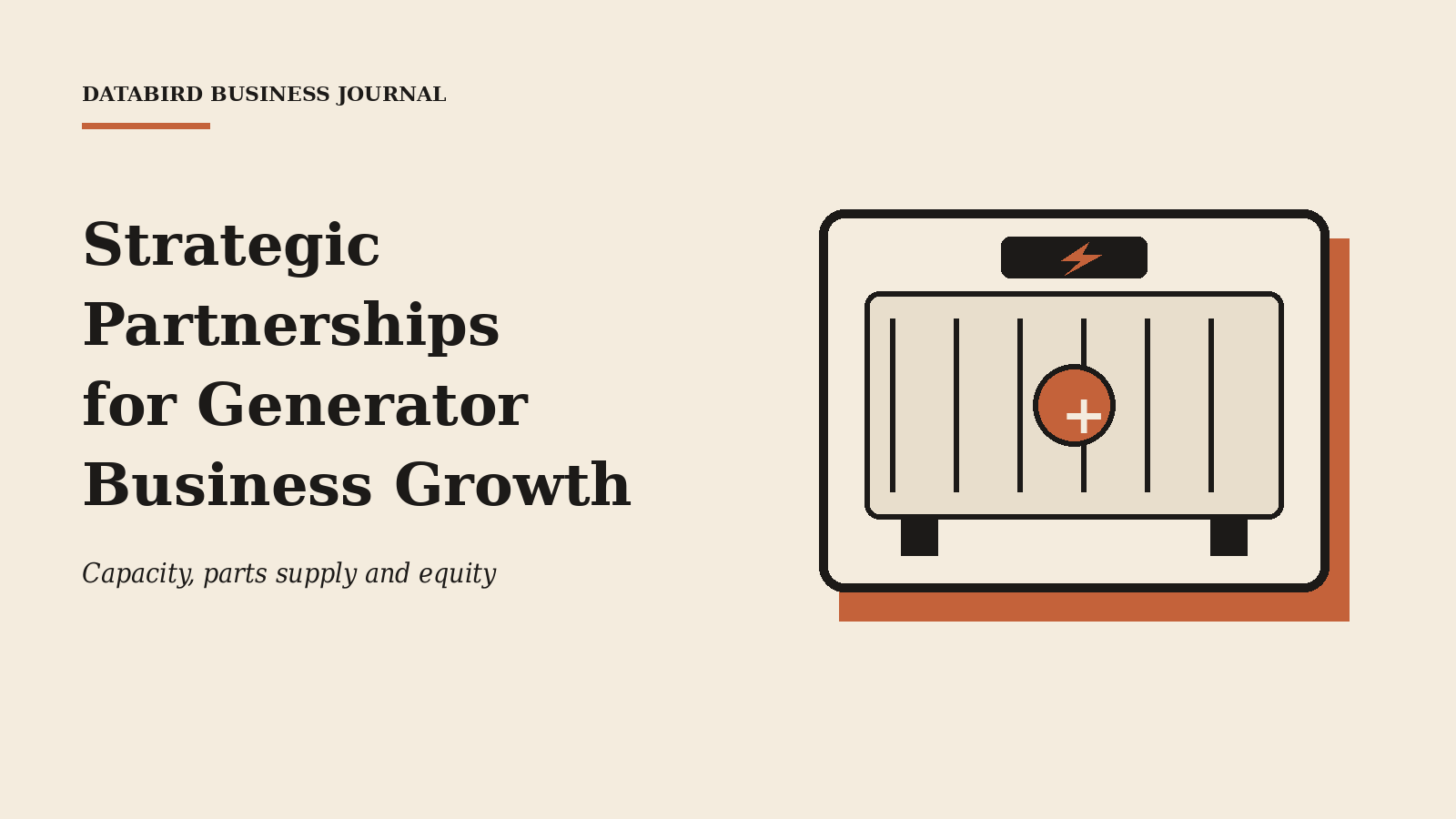
Generator companies rarely stall from weak demand. Growth breaks down once service calls outpace available technicians. Parts arrive late, and office staff fall behind. Landing a single hospital account intensifies this squeeze fast. An owner privately asking, Looking to sell your electrical business?, may find a smarter route ahead. Strategic partnerships can supply capital, labor, and systems without surrendering control. Field crews, parts distributors, and equity investors each solve different bottlenecks. Choosing the right ally, then vetting it carefully, decides whether expansion protects margins or erodes them.
Capacity Gaps Stall Generator Service Growth
Each new standby install adds years of maintenance obligations. A shop servicing forty units can schedule load tests with ease. At four hundred units, one technician's absence disrupts entire weeks. Storm season then floods dispatch with emergency calls. Missed response windows trigger penalty clauses in commercial agreements. Revenue climbs, yet profit per job keeps shrinking.
Which Alliances Ease Field Workload Pressure?
Labor shortages respond best to targeted arrangements rather than rushed hiring. Proven options include:
- Subcontracted crews absorb overflow preventive maintenance visits.
- Trade schools place paid apprentices with growing shops.
- Regional electricians cover distant rural service territories.
- Rental fleets lend backup units during lengthy repairs.
Distributor Agreements Strengthen Parts Supply Reliability
Waiting three weeks for a transfer switch damages client trust. Preferred dealer status with a manufacturer changes that equation. Priority allocation, volume pricing, and warranty support arrive as one package. Certain distributors even stock consignment inventory at partner warehouses. Rather than tying cash to shelves of filters, the contractor pays upon use.
Can Equity Partners Replace Selling Outright?
Brokers frequently open listings with one direct question: Looking to sell your electrical business? A joint venture deserves equal weight before answering yes. Minority investors can fund new trucks, monitoring software, and hires. Founders keep daily leadership and future upside. A full sale ends involvement entirely, while partnering preserves a stake in every renewed contract.
What Should Owners Verify Before Signing?
Due diligence protects both margins and reputation. One overlooked clause can erase a full year of gains. Before committing, confirm these points:
- Insurance limits match commercial client requirements.
- Technicians hold current manufacturer certifications.
- Exit clauses define a clean separation.
- Pricing terms survive seasonal volume swings.
- Response guarantees exist in writing.
Contracted Uptime Becomes the Real Asset
Picture that shop servicing four hundred units again. With subcontracted crews and consignment parts in place, no single absence threatens a contract. Acquirers notice this resilience during valuation. A company proven to deliver uptime through partners commands stronger multiples than one dependent on its founder. Partnerships, then, do more than relieve today's workload. They build the very asset a future buyer pays a premium to own.
FAQs
What partnership suits a small generator company first?
Subcontracted maintenance crews offer fast relief with minimal financial exposure. Agreements can start with overflow visits, then expand into full territories once quality proves consistent.
Do manufacturer dealer programs require large purchase commitments?
Most programs tie pricing tiers to annual volume targets set by the manufacturer. Smaller firms can enter at base tiers and climb as installation numbers rise each year.
How does an equity partner affect an owner's control?
Minority investors often receive board seats rather than operational authority over crews or clients. Shareholder agreements should spell out voting rights, spending limits, and decision boundaries in plain terms.
Can partnerships raise a generator company's eventual sale price?
Documented supplier agreements and reliable labor networks lower the risk buyers perceive. Reduced risk translates into firmer offers, better deal structures, and fewer price cuts during negotiation.
How long does a strategic partnership take to show results?
Field labor alliances can ease scheduling pressure within one busy season. Distributor and equity arrangements need six to twelve months before margins and capacity reflect the change.