How Open Standards Improve Transparency in Programmatic Advertising
Open standards like ads.txt, app-ads.txt, sellers.json and schain make programmatic supply paths easier to verify. Here is how they work and what they do not guarantee.
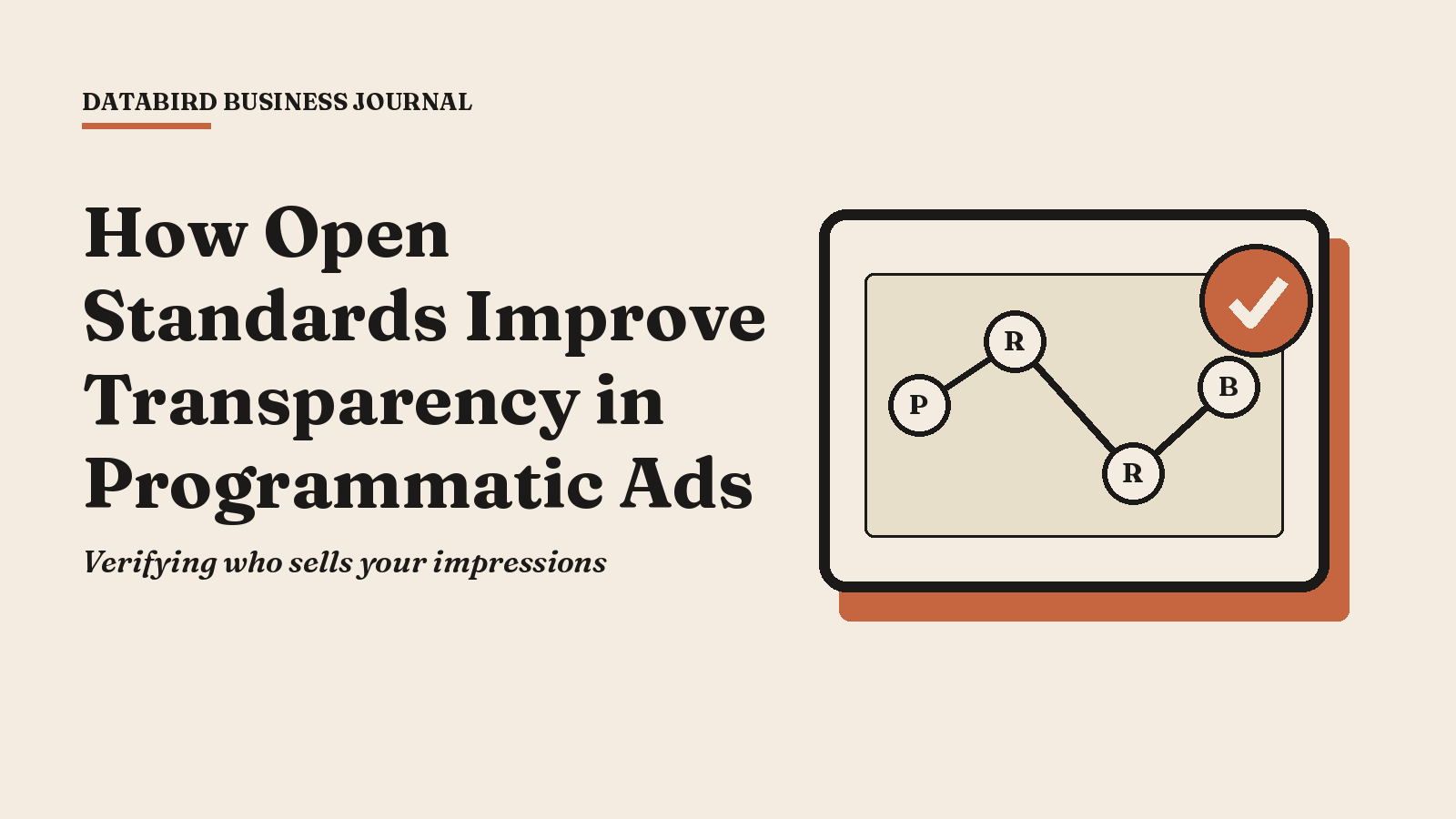
A bid request can reach a buyer through several resellers before an ad appears on a publisher's site. Without consistent identifiers, advertisers struggle to confirm who is selling that impression or whether a reseller is authorized. Open standards make those checks more practical.
Why Supply Chain Opacity Challenges Modern Programmatic Advertising
Each intermediary may add a fee, re-route inventory, or provide limited seller details. A buyer seeing only an exchange name cannot easily distinguish a direct publisher relationship from a longer resale path. This complicates supply-path analysis and investigations into misrepresented inventory.
A programmatic advertising platform can expose useful buying data, but transparency also depends on accurate declarations from sellers and exchanges. Providers such as SmartyAds operate technology across the buying and selling sides of programmatic trading, supporting supply path transparency standards established by IAB.
Core Open Standards Driving Accountability: ads.txt, app-ads.txt, and sellers.json
Three IAB Tech Lab specifications answer related questions:
- ads.txt: Which advertising systems does a website authorize to sell its inventory?
- app-ads.txt: Which systems can sell inventory for an app?
- sellers.json: Which publishers or intermediaries stand behind seller account IDs?
These records give buyers and platforms a reliable way to verify sellers, especially when publishers keep their files current and the checks are combined with traffic filtering.
Mapping the Supply Path with SupplyChain Object (schain) and OpenRTB
The SupplyChain Object, commonly called schain, carries identifiers for entities participating in a bid request's selling path. OpenRTB provides a standardized protocol for communicating auction information.
DSPs can compare schain nodes with sellers.json and authorization records to flag unexpected intermediaries on behalf of buyers.
Tangible Benefits for Advertisers and Publishers: Reducing Fees, Fraud, and Reseller Clutter
These standards help teams identify unauthorized sellers and evaluate whether extra resale steps add value. Removing redundant paths may simplify purchasing and reduce some costs, but direct routes are not always cheaper or better.
Publishers also benefit from clearer representation of their inventory. Neither side should interpret seller authorization as proof that every impression is genuine or viewable.
Conclusion: Making Open Standards the Foundation of Trustworthy Media Buying
For programmatic ads, transparency is a verification process rather than a label. Buyers should ask their platforms how they check authorization files, seller identities, and supply-chain records, and combine those checks with independent quality measurement.

