How Flexible Working Is Changing How Small Businesses Operate
Flexible working has gone from being a useful perk to becoming a normal part of how many small businesses operate.
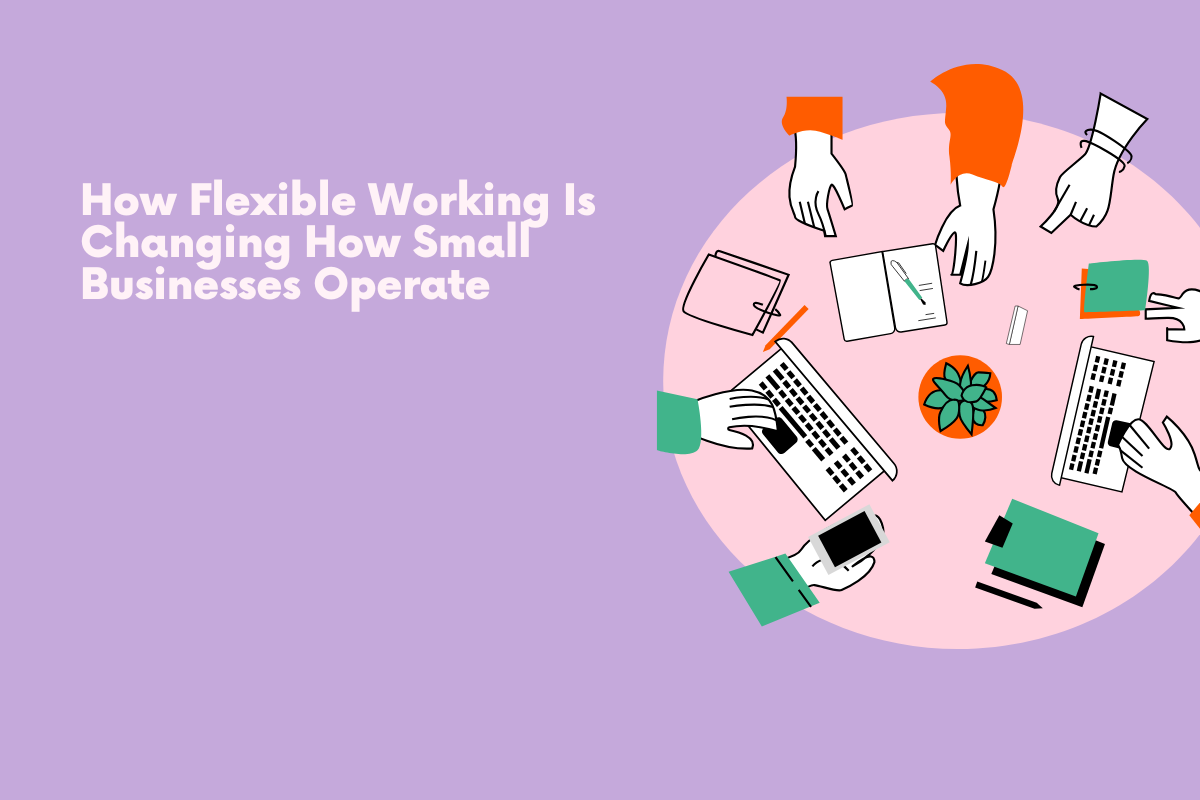
Flexible working has gone from being a useful perk to becoming a normal part of how many small businesses operate. Whether employees work from home, split their time between different locations, or use shared workspaces when needed, businesses now have far more freedom to decide what their working setup should look like.
For smaller companies in particular, this shift can bring some major advantages. It can reduce overheads, make recruitment easier, and allow businesses to grow without immediately needing a larger permanent office.
Businesses Need Less Permanent Space
One of the biggest changes brought about by flexible working is the way businesses think about office space. In the past, even a relatively small team might have needed a dedicated office with enough desks for everyone.
That is not always necessary anymore.
When employees work remotely for part of the week, businesses can operate from smaller offices, coworking spaces, or flexible business centers. Some companies may not need a permanent workspace at all. Instead, they can arrange meeting rooms or desk space only when face-to-face collaboration is required.
For businesses establishing a presence in Abu Dhabi without needing a traditional full-time office, an ADGM virtual office can also provide a more flexible way to maintain a professional business presence while keeping physical workspace requirements manageable.
Hiring Is Becoming Less Location-Dependent
Flexible working has also changed how small businesses recruit. Companies that once searched primarily for employees within commuting distance can now consider candidates from a much wider area.
This can be particularly valuable for specialist positions. Instead of settling for whoever happens to live nearby, a business may be able to recruit someone with exactly the right skills who works remotely.
It can also make smaller businesses more attractive to applicants who value flexibility. Parents, caregivers, people with long commutes, and employees who simply prefer working remotely may all be drawn to companies that offer more choice.
Communication Has Become More Intentional
When everyone is sitting in the same office, it is easy to quickly ask someone a question or catch up informally. Flexible teams have to be slightly more deliberate.
As a result, many small businesses are improving how they communicate. Project management tools, video calls, shared documents, and instant messaging platforms can help teams stay connected wherever they happen to be working.
Clear expectations become especially important. Employees need to know who is responsible for what, when meetings are taking place, and how quickly messages are expected to be answered.
Businesses Can Scale More Gradually
Traditional office leases can make growth expensive. Hiring several new employees might mean moving into a larger office long before a business is ready for the additional cost.
Flexible working allows businesses to expand more gradually. New employees can work remotely or use flexible workspace while the company decides whether additional permanent space is actually necessary.
That can make it easier for small businesses to respond to periods of rapid growth without taking on unnecessary financial commitments.
Flexibility Is Becoming Part of Business Strategy
Flexible working is no longer simply about giving employees the occasional day at home. It is influencing recruitment, property decisions, technology, communication, and even how businesses expand.
For small companies, that flexibility can be particularly valuable. By building a working model around what the business actually needs rather than automatically relying on a traditional office setup, owners can create operations that are leaner, more adaptable, and better prepared for future growth.