Beatbot Pool Cleaner for Inground Pools After Heavy Use
An inground pool can look mostly fine after a busy weekend, but heavy use leaves more behind than a few floating leaves.
An inground pool can look mostly fine after a busy weekend, but heavy use leaves more behind than a few floating leaves. Kids swimming all afternoon, guests moving between the lawn and pool deck, a hot day with sunscreen, or a storm that blows debris into the water can all change the pool quickly.
After heavy use, the pool may collect sunscreen residue, hair, pollen, grass clippings, fine dirt, small leaves, bugs, and a thin film along the waterline. Some of that mess stays on the surface. Some sinks to the floor, corners, steps, or deep end. Some ends up in the skimmer or filter system.
That is why a post use reset matters. A Beatbot pool cleaner can reduce repeated skimming, vacuuming, and brushing, but it should be part of a full routine. Heavy use cleanup still needs water testing, basket checks, filter care, and basic safety steps.
What Heavy Use Leaves Behind in the Pool
Surface Debris From Wind, Guests, and Landscaping
Leaves, pollen, bugs, grass clippings, and small flowers usually show up on the water surface first. If they are removed early, cleanup is simple. If they sit too long, they can sink, clog baskets, or make the pool look dull by the next morning.
Floor Debris From Feet, Toys, and Storms
Fine dirt, sand, hair, and small particles often settle after swimming. In inground pools, this debris can collect in the deep end, around steps, in corners, and along wall joints. Once swimmers return, that settled dirt can get stirred up and make the water look cloudy.
Waterline Residue From Sunscreen and Body Oils
Heavy swimming days often leave a visible waterline film. Sunscreen, body oils, pollen, and dust gather where the water meets the wall. It may not look serious at first, but it can make a clean pool feel poorly maintained.
Start With Water and Safety Checks Before Running the Robot
Test Chlorine and pH After Heavy Swimming
A pool can look clear and still need testing. After many swimmers, chlorine may be used up faster, and pH may shift. Test chlorine and pH before guessing with chemicals. If the pool had a party, storm, or long swim day, testing is more useful than relying on smell or appearance.
For families comparing a pool vacuum cleaner, the key point is simple: a cleaner handles physical debris, while water testing tells you whether the pool is chemically ready for swimming.
Remove Large Objects First
Robots should not be asked to handle everything. Branches, stones, toys, towels, large leaf piles, sharp objects, and storm debris should be removed by hand before any cleaning cycle begins. This protects the cleaner, the skimmer, and the main filtration system.
Check Skimmer and Pump Baskets
Heavy use can fill baskets faster than expected. A full skimmer or pump basket reduces circulation and can make both filtration and robotic cleaning less effective. Empty baskets before and after a major cleanup.
Heavy Use Pool Problems and the Best Cleanup Response
Heavy use cleanup works best in the right order. First remove hazards and large debris. Then check water and baskets. After that, let the cleaner handle smaller debris and visible buildup.
Where Beatbot AquaSense 2 Pro Fits After Heavy Pool Use
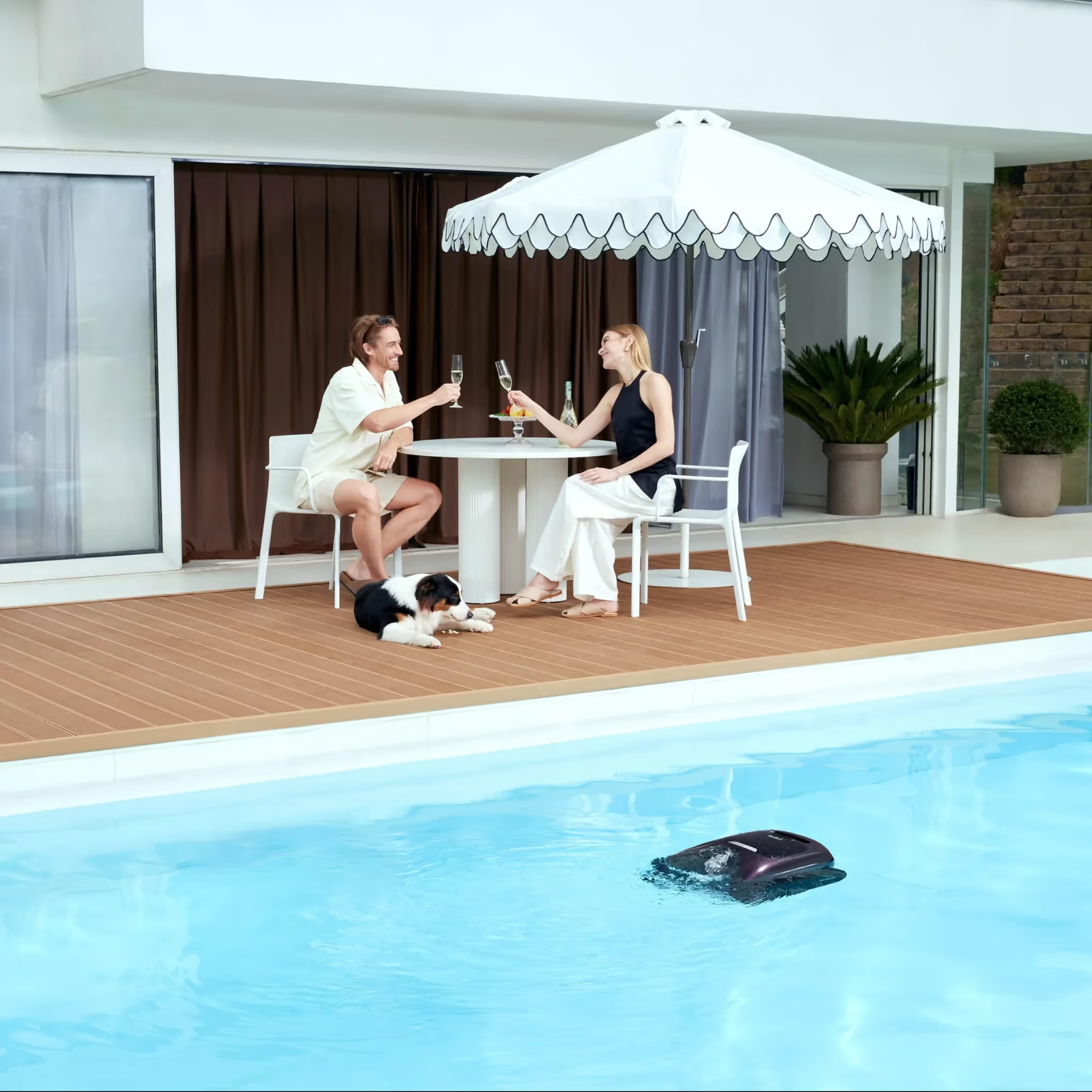
Beatbot AquaSense 2 Pro is a strong fit for inground pools after heavy use because it is designed for more than basic floor cleanup. A busy swim day or backyard party often creates several problems at once: floating debris on the surface, fine dirt on the floor, light residue on the walls, and a visible film around the waterline. AquaSense 2 Pro supports cleaning across the water surface, floor, walls, and waterline, with water clarification support for fine particles that can affect the pool’s appearance.
In a real family setting, that means the robot can help after guests leave, after kids spend the afternoon jumping in and out, or after a windy storm pushes pollen and leaves into the pool. Instead of splitting the job into separate skimming, vacuuming, and waterline brushing tasks every time, homeowners can use a more consistent cleaning cycle. Features designed to make retrieval and status awareness easier can also reduce the friction of using the device regularly.
For shoppers looking at a pool vacuum cordless option, AquaSense 2 Pro is best understood as a physical cleaning helper. It does not replace chlorine, pH, or alkalinity testing. It does not replace filter maintenance, adult supervision, professional repair, or manual removal of large debris. Severe algae, cloudy water causes, storm damage, or equipment faults still need proper testing and, when needed, professional help.
Do Not Leave the Robot in the Pool After the Cleanup Cycle
Remove It After the Cycle
A robotic cleaner is made to work in water, but that does not mean it should live there permanently. After the cycle finishes, remove it from the pool. This helps limit unnecessary exposure and keeps the pool clear for swimmers.
Empty and Rinse the Filter Basket
After heavy use, the robot basket may hold leaves, hair, insects, fine dirt, and sunscreen residue. Empty it promptly, rinse it well, and check for debris that could reduce the next cleaning cycle.
Store and Charge It Properly
Let the cleaner drain, rinse off residue if needed, and store it in a safe dry place. Charging and storage habits matter because a robot that is not ready to run becomes one more task on the next busy pool day.
When to Choose AquaSense 2 Ultra or Sora 70 Instead
AquaSense 2 Pro is a balanced choice for many inground pools after heavy use, but not every pool has the same needs.
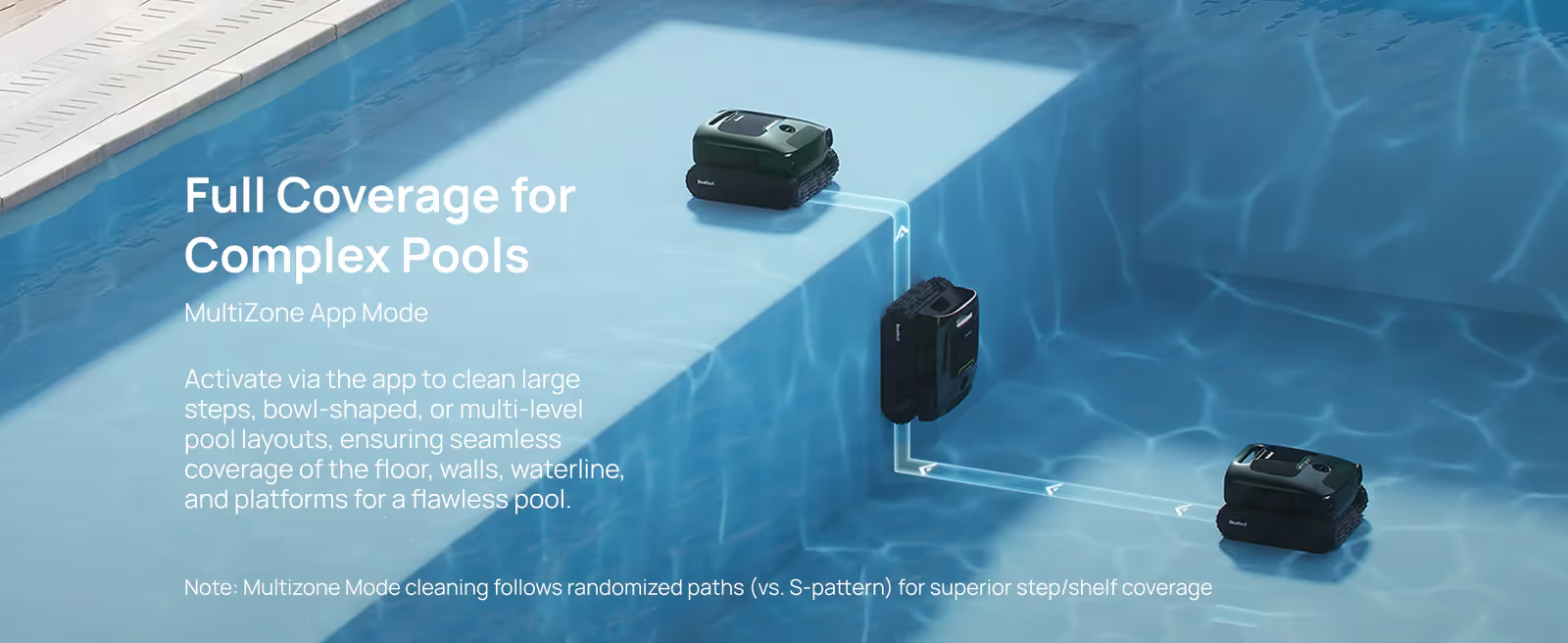
Choose Beatbot AquaSense 2 Ultra if the inground pool is larger, more complex, or has many steps, shelves, curves, slopes, or missed spot issues. Its stronger fit is for more demanding layouts where coverage and navigation matter most.
Choose Beatbot Sora 70 if the main after use problem is surface debris. If leaves, pollen, bugs, and grass clippings are the biggest daily mess in a medium to large family pool, Sora 70 may be the more practical match.
Simple smaller pools may not need premium models. The best choice depends on pool size, debris type, layout, and how often the pool gets heavy use.
Build a Post Use Pool Recovery Routine
Heavy use cleanup should feel repeatable, not overwhelming. After swimming, remove toys, towels, large debris, and anything sharp or heavy. The same day, test chlorine and pH. Run the robot only after people are out of the water and large debris is removed.
After the cycle, empty the robot basket, skimmer basket, and pump basket. The next morning, check water clarity, the waterline, and chemistry again if the pool had a party, storm, or very heavy use.
A Beatbot pool cleaner can make the recovery process easier, especially for inground pools that collect debris in multiple zones. But the best results come from pairing robotic cleaning with water testing, basket care, filtration, and safe pool habits.